

Wood has always been a timeless material in interior design. Its warmth, character, and natural beauty can make any room feel more inviting. In recent years, its popularity has soared - appearing everywhere from wood flooring and shelving to statement dining tables and accent walls.
But a common challenge remains: how do you mix pre-existing antique or vintage wooden pieces with modern furniture without making the space feel disjointed? The key lies in balance, undertones, and intentional layering. Below are practical, expert-approved tips to help you seamlessly blend old and new wood furniture to create a cohesive, stylish interior full of personality.
1. Always Shop with Samples or Photos
When introducing a new furniture piece into a room filled with older wood tones, rely on tangible references. Bring wood samples or high-resolution photos of your existing furniture when shopping. This helps you identify complementary tones and undertones more accurately than relying on memory.
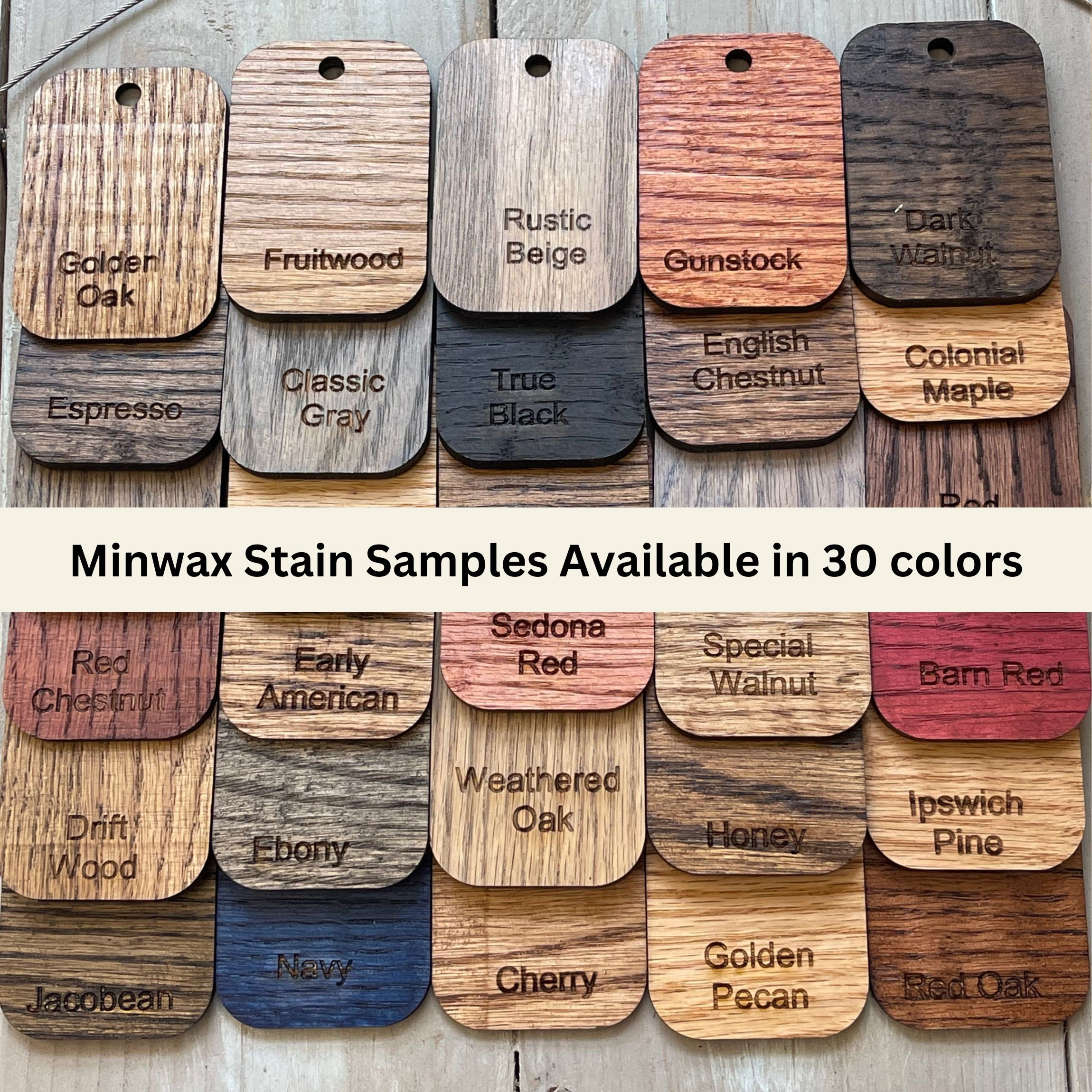
Pro Tip: If you're buying online, request wood finish samples whenever possible to avoid clashing finishes once the item arrives.

Image source: https://chrislovesjulia.com
2. Pay Attention to Undertones
Every piece of wood carries an undertone - the subtle color beneath its surface.
- Warm undertones: yellows, oranges, reds (e.g., cherry, oak, mahogany)
- Cool undertones: greyish tones (e.g., ash, driftwood finishes)
- Neutral undertones: beige or balanced tones
Neutral undertones are the most versatile because they blend beautifully with both warm and cool woods. Matching or complementing undertones will help the room feel unified rather than chaotic.
3. Avoid the Matchy-Matchy Trap
It’s tempting to try to match every wooden piece in a room. But an overly uniform look can feel flat and lack character. Instead, mix complementary wood tones intentionally.
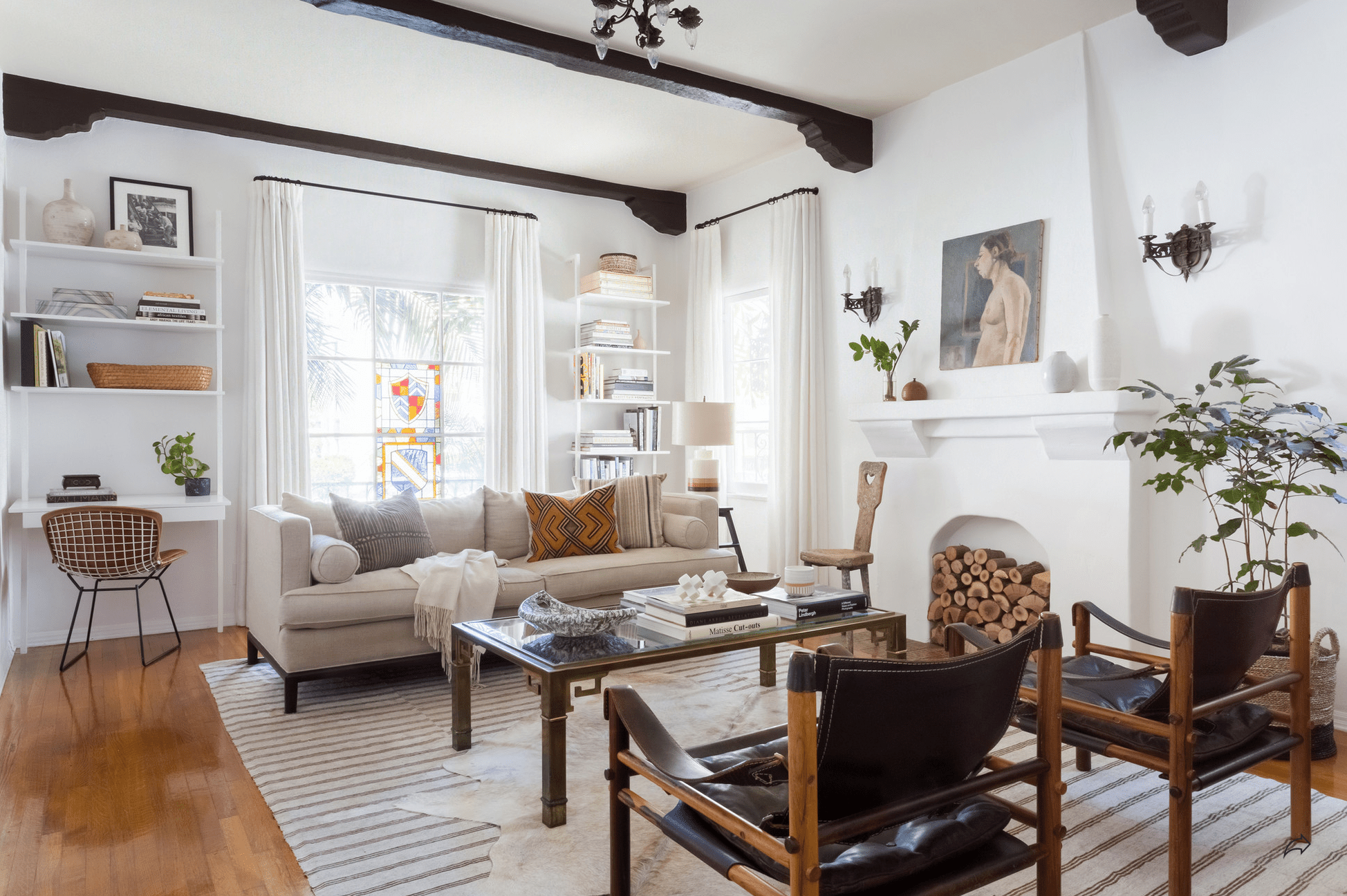
Image source: https://www.mydomaine.com/
For example:
- A modern walnut coffee table can pair beautifully with an antique oak sideboard.
- A vintage French dining table may shine when contrasted with modern minimalist chairs.
This mix creates a layered, curated feel, like a collection that evolved over time rather than a showroom set.
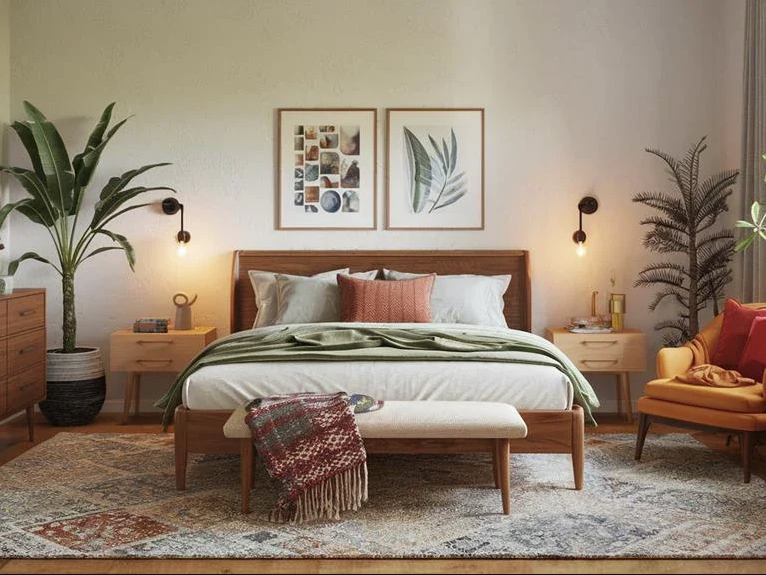
Image source: https://timbur.co.za
4. Keep a Common Element
Having at least one unifying design element - such as style period, shape, finish, or undertone - can make mixed wood pieces feel intentional.
Examples:
- Pair mid-century modern chairs with a vintage table, but keep the legs’ shape or finish similar.
- Match an antique dresser and modern nightstands by choosing similar undertones or hardware finishes.
5. Use Transitional or Unifying Pieces
A single piece containing multiple wood tones can act as a bridge between your vintage and modern furniture. Think of:
- A sideboard with a contrasting top and base
- A coffee table with wood and metal
- A mirror with mixed wood frame
These transitional items create visual continuity and pull the entire room together.
6. Scatter, Don’t Clump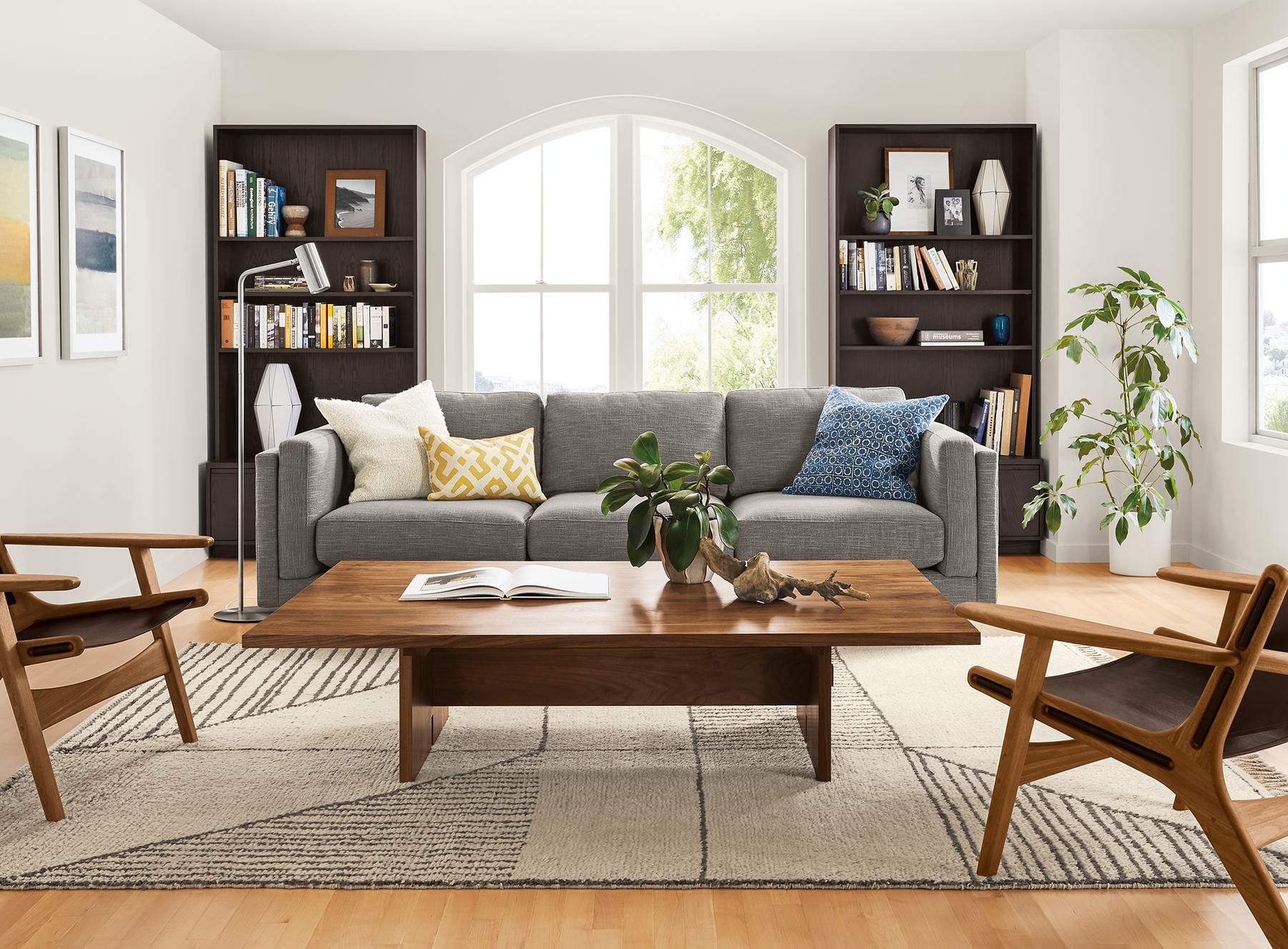
When mixing different wood finishes, scatter similar tones throughout the space. Don’t place all dark woods in one corner and light woods in another. By balancing the distribution, your eye travels smoothly around the room, enhancing flow and harmony.
7. Choose a Dominant Wood Tone
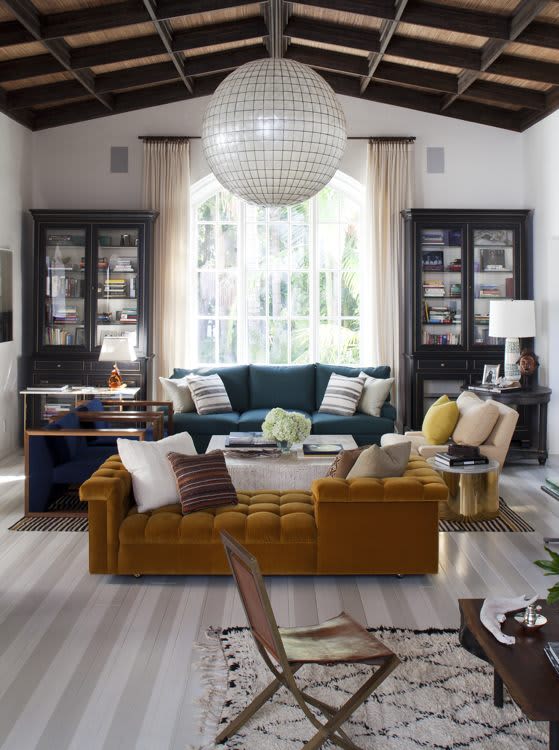
Identify one dominant wood tone - usually the largest piece in the room (e.g., a dining table, desk, or armoire). Then layer in accent tones through smaller furniture and décor.
This anchoring effect adds structure to an eclectic space and prevents it from feeling cluttered.
8. Soften Transitions with Textiles
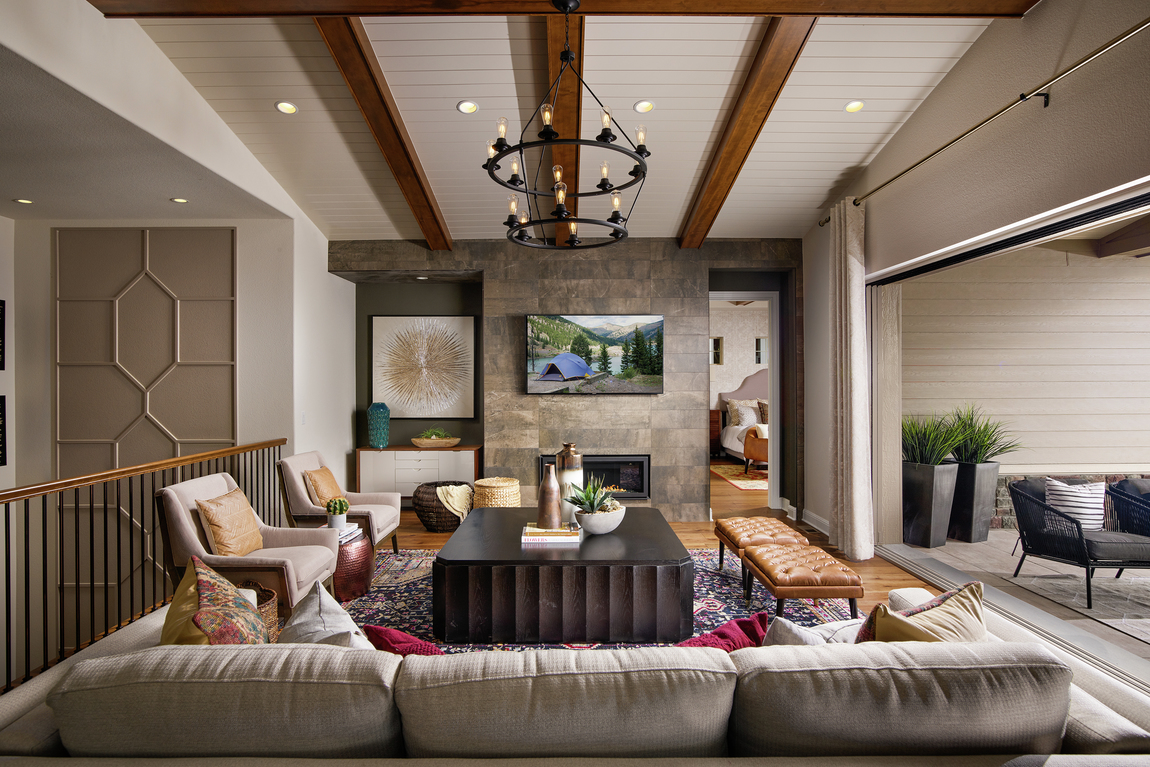 If wood tones contrast too sharply, introduce soft furnishings - rugs, curtains, throws, or upholstered seating. These textural buffers ease transitions and add warmth and comfort to the space.
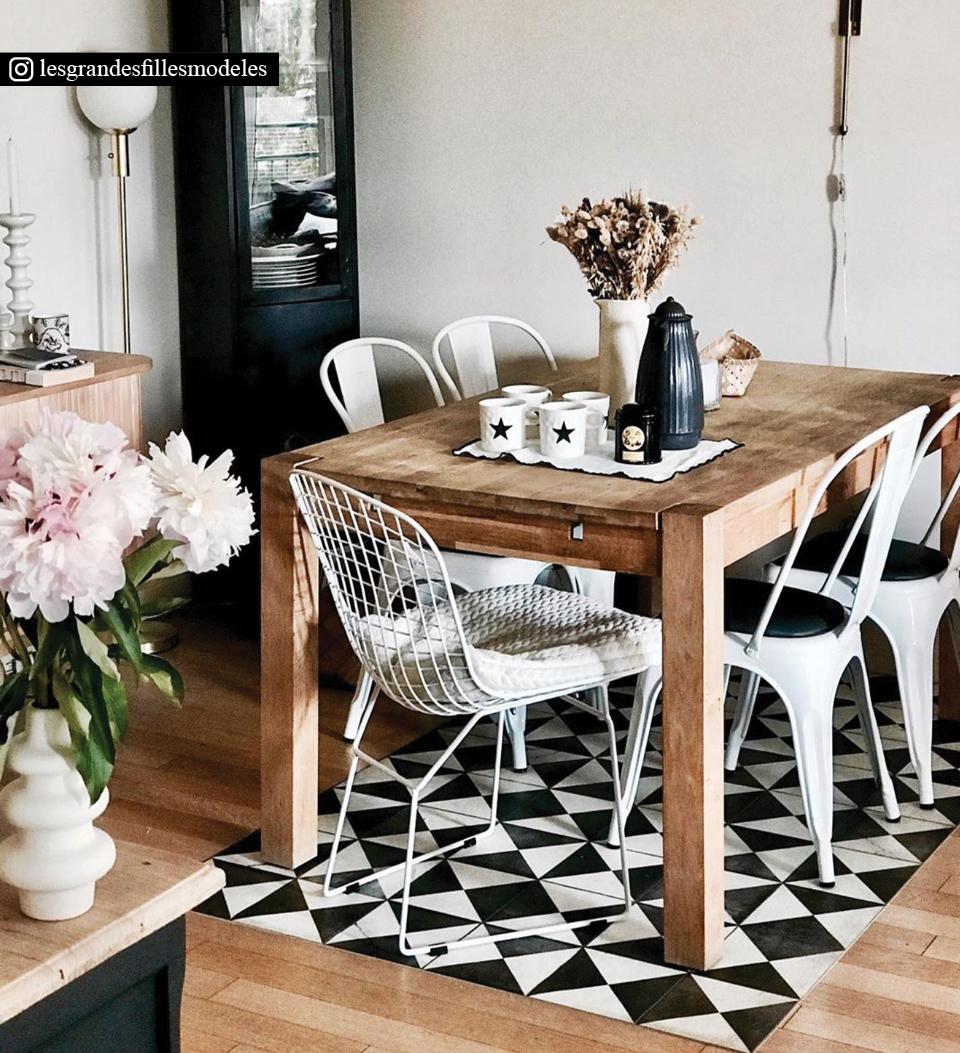
For example:
- A neutral area rug can balance dark and light woods.
- A woven throw over a modern sofa can tie in a rustic wooden coffee table.
9. Incorporate Other Hard Surfaces
Adding glass, metal, stone, or painted wood surfaces breaks up wood-heavy rooms and adds depth and contrast.
- A metal floor lamp beside an antique dresser.
- A marble-topped console paired with modern wooden stools.
- Black painted shelving against a natural oak floor.
This blend creates an eclectic yet sophisticated vibe.
10. Use Whitewashed or Painted Pieces Strategically
If the space feels too heavy with natural wood tones, whitewashed or light-painted wood pieces can visually lighten it. This works especially well in coastal, Scandinavian, or modern farmhouse interiors.
Just make sure the finish complements the overall vibe - whitewashing a piece with ornate antique detailing might not suit a sleek, modern loft.
11. Follow the “Rule of Three”
Limit yourself to a maximum of three wood tones per room.
- 1 dominant tone
- 1 secondary tone
- 1 accent tone
This structure gives each finish room to breathe while keeping the overall design intentional and elegant.
Bringing It All Together
Blending antique and modern furniture is less about strict rules and more about balance, texture, and personality. Whether it’s a vintage dresser, a mid-century coffee table, or a sleek contemporary sofa, your space should reflect your unique story.
Bonus Styling Tips:
- Add mirrors or artwork to reflect light and create depth.
- Layer rugs and textiles to enhance warmth.
- Play with lighting to highlight wood grain and texture.
- Choose secondhand or vintage furniture to add character and sustainability.
When done thoughtfully, mixing old and new wood furniture transforms a simple room into a timeless, curated sanctuary - full of charm, contrast, and life.


